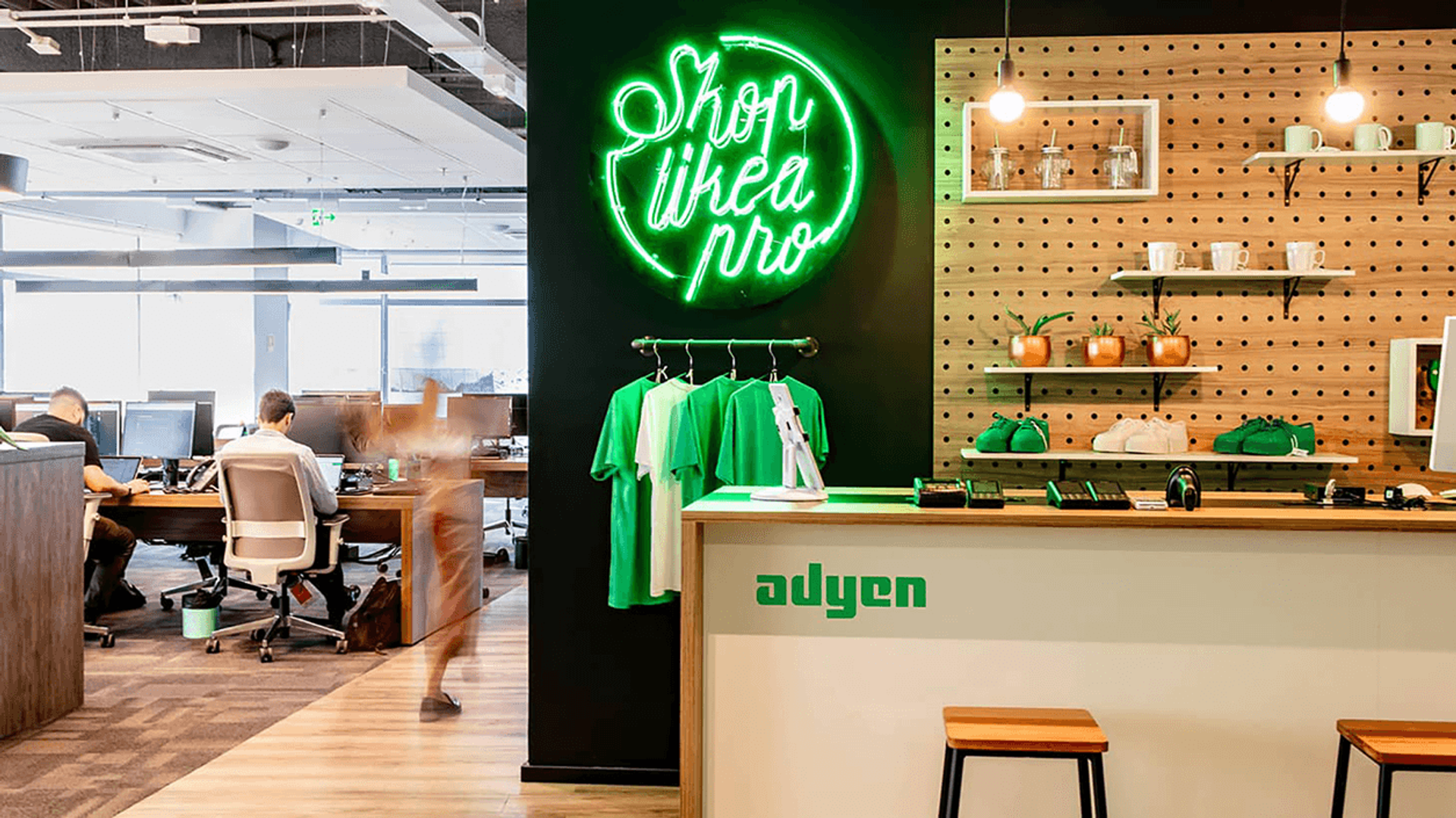
The next generation of shoppers, shaped by digital-first experiences, instant gratification and heightened expectations, is forcing retailers to reimagine what checkout means. The traditional view of checkout as simply the final stage of the customer journey is being fundamentally challenged. A new approach is emerging that balances operational excellence with deeper engagement and personalisation for an enhanced overall customer experience.
Payment has emerged as a strategic lever for customer experience, not just a transactional necessity. Leaders achieve 15% higher average order values through flexible payment experiences - validating that payment innovation directly drives revenue growth. 80% of leaders offer a sophisticated mix of payment options seamlessly integrated across channels, versus 62% of others, while 70% of leaders maintain unified payment experiences with smart promotions across channels, versus 42% of others. At Dick’s Sporting Goods, payment orchestration provides customers with a wide variety of seamless options, including credit cards, digital wallets, and flexible ‘Buy Now, Pay Later’ (BNPL) services. These options are integrated across online and in-store channels.
The intelligent cart
The shopping cart has transcended its role as a mere collection point for transactions. Leaders have reimagined it as a dynamic hub of customer engagement that adapts and evolves with each interaction. This isn’t just about syncing items across channels - it’s about creating a living, breathing touchpoint that understands and anticipates customer needs while removing friction from the journey to purchase. Leaders see 20% lower cart abandonment rates compared to industry average - compelling evidence that reimagined cart experiences directly drive conversion.
At Sephora, predictive cart recommendations suggest complementary products based on previous purchases and browsing behaviour. For example, adding a foundation triggers recommendations for matching concealers and primers.

The empowered exchange
The final moment of purchase is no longer just a transaction; it’s transformed into an opportunity for deeper connection. Leaders have reimagined checkout as a strategic touchpoint where digitally empowered associates can strengthen customer relationships while efficiently closing sales. This represents a shift from checkout as a process, to checkout as a platform for engagement. The value is undeniable: Leaders see 1.25x higher customer lifetime value from customers who engage with digitally enabled associates during checkout, proving that empowered associates drive lasting customer relationships. At Ikea, associates are equipped to access and complete customer carts initiated online, resulting in an entirely frictionless checkout experience. They can assist with product recommendations, verify inventory availability, and seamlessly close sales in-store.
Even though Gen Z enjoy shopping in-store, 60% will leave without buying anything if the checkout lines are too long.
The end of traditional checkouts?
While the evolution of checkout capabilities continues to accelerate, the core challenge remains unchanged: how to balance efficiency with engagement, automation with human touch, and consistency with personalisation. Adyen research also suggests the blurring the lines between online and in-store shopping, especially when it comes to Gen Z’s expectations for the checkout. Even though Gen Z enjoy shopping in-store, 60% will leave without buying anything if the checkout lines are too long. Another issue is the availability of payment methods, over a quarter (28%) of Gen Z shoppers will abandon a purchase if their preferred method isn’t available. Consumers in this age bracket expect to check out how they want, on their terms. As social commerce continues to gain ground, pioneering new ways to integrate checkout capabilities into social platforms, while maintaining brand experience and operational efficiency, will be key. Forward-thinking retailers are also experimenting with agentic AI capabilities that anticipate customer preferences and pre-configure online checkout experiences, while in-store options like Adyen’s Tap-To-Pay (iPhone and Android) capability enables customers to pay anywhere in store. The combination of technology and evolving consumer needs means the next wave of checkout innovation may well eliminate the concept of dedicated ‘checkouts’ entirely.
Key question
The leaders profiled in Manhattan’s latest Unified Commerce Benchmark report offer a blueprint for transforming checkout from a necessary process into a strategic advantage. The key question is this: can businesses strike a balance where technology enhances, rather than replaces, human interaction, all the while maintaining the personal touch many customers appreciate - especially in service-centric industries like specialty retail.
 Download the Unified Commerce Benchmark for Specialty Retail 2025.
 Holly Worst, Vice President of Retail at Adyen
Wilt u een fysiek exemplaar van het magazine ontvangen? Stuur een mail naar ce@manh.com o.v.v. Commerce Trends 2025, en vermeld bedrijfsnaam, uw naam, adres en woonplaats. Wij sturen u dan een exemplaar toe.












Reacties 0